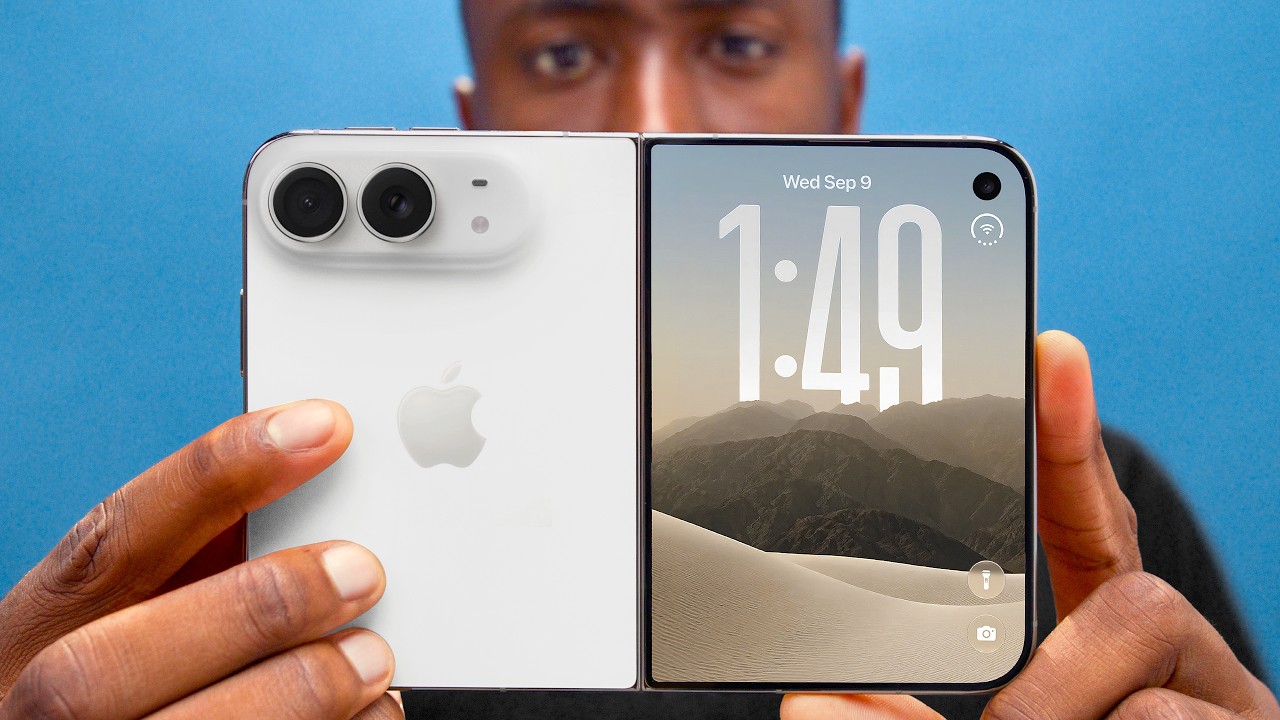



The global smartphone market has shown mixed performance in 2025, with research indicating a 1.0% year-over-year (YoY) growth in Q2 2025, reaching 295.2 million units, despite global uncertainties and weak demand in China, according to IDC. This follows a robust 7% growth in 2024, as vendors prepare for a challenging year ahead, with forecasts revised downward to 1.9% growth for 2025 due to tariff uncertainties (Counterpoint Research, Reuters).
The market is expected to reach USD 585.63 billion in 2025, growing at a CAGR of 3.51% to USD 722.27 billion by 2030 (Mordor Intelligence). Mobile technologies and services now contribute 5.8% to global GDP, amounting to $6.5 trillion, with projections to rise to $11 trillion by 2030 (GSMA).
Economic factors, including tariffs, forex instability, unemployment, and inflation, are compressing demand, particularly for low-end Android segments, as consumers deprioritize spending on smartphones. However, vendors are countering this by pushing higher price points and integrating AI into more affordable devices to maintain profitability.
Table of Contents
Latest Mobile Phones and New Launches
The market has seen several flagship and innovative launches in 2025, catering to diverse consumer needs. Below is a detailed breakdown of the latest models and their significance:
Apple iPhone 16
Launched with the A18 chip, telephoto camera, Camera Control, iOS 18, and a long-lasting battery. It’s the world’s best-selling smartphone in Q1 2025, with strong sales of the iPhone 16e helping Apple secure a 19% global market share, overtaking Samsung for the first time in Q1 (Counterpoint Research, X posts). Its new design has been particularly well-received, driving demand in markets like Japan, India, and North America.
Samsung Galaxy S25 Ultra
Features a refined design, AI enhancements, a 50MP ultrawide camera, and Gorilla Armor 2. It’s the only Android flagship in the top 10 best-sellers at No. 7 in Q1 2025, with Samsung holding an 18% market share but seeing a 4% decline YoY, marking the first time in years they started at #2 globally (X posts, Counterpoint Research). It’s part of Samsung’s strategy to continue flagship growth and expand Galaxy AI to all premium devices.
Google Pixel 9 Pro
Best for photography, with a compact 6.3-inch 1280×2856 AMOLED display, Tensor G4, 16GB RAM, and AI editing tools. It offers 7 years of updates and saw significant growth in Europe at 43% YoY in Q1 2025, reflecting strong demand for its premium features (X posts, Stuff review).
OnePlus 13: Boasts a 6000mAh battery, Snapdragon 8 Elite, Hasselblad cameras, and a 3168×1440 120Hz OLED display with 1-120Hz dynamic refresh. It’s noted for its display quality, appealing to enthusiasts, and saw a decline in India at 51% YoY in Q1, possibly due to regional competition (X posts, Stuff review).
Google Pixel 9a
An affordable option with a sleek redesign, upgraded 48MP camera, and Gemini built-in, offering premium features at a lower cost. It’s stretching the definition of “affordable,” with a 1080×2424 OLED display, Tensor G4, and 8GB RAM, appealing to budget-conscious users (Stuff review).
Sony Xperia 1 VII
Best for creatives, with modern performance, a class-leading ultrawide camera, 3.5mm port, and microSD support. It features a 6.5-inch 2340×1080 OLED, Snapdragon 8 Elite, and 12GB RAM, catering to professionals (Stuff review).
Samsung Galaxy Z Fold 7
The best folding phone, thinner at 4.2mm, with larger screens (6.5-inch/8-inch AMOLED), a 200MP camera, and Android 16. It’s part of Samsung’s strategy to strengthen its foldable lineup, competing with Chinese brands like OPPO and Xiaomi, and is noted for global availability (Stuff review, X posts).
Samsung Galaxy S24 Ultra
A 2024 model noted as the best discounted phone, with a 6.8-inch 3088×1440 OLED, Snapdragon 8 Gen 3, 200MP camera, and 5000mAh battery. It remains relevant for budget-conscious buyers seeking premium features at a reduced price (Stuff review).
Additionally, there’s a viral trend toward slim and compact phones, with social media discussions highlighting planned launches like the Galaxy S25 Slim, OPPO FIND X8 Mini, iPhone 17 Slim, X300 Pro Mini, and OnePlus 13 Mini, appealing to users who prefer smaller devices (X posts).
Price Drops and Increases
Price trends in 2025 show a mix of increases and limited drops, reflecting market dynamics:
Price Increases
Samsung announced a price increase for components, which may lead to higher device costs, aligning with their strategy to expand AI features (X posts). Vendors are pushing higher price points, with a notable shift toward €800+ devices in Europe, driven by AI integration in more affordable models to offset slowdowns in unit shipments (IDC, X posts).
Price Drops
Specific price drops aren’t widely reported, but the Samsung Galaxy S24 Ultra is noted as a “best discounted phone,” indicating that older flagship models may see price reductions as newer models launch, offering value for budget-conscious buyers (Stuff review).
Global Trends
The mobile phone market in 2025 is shaped by several key trends, reflecting technological advancements and consumer preferences:
- AI Integration: AI is a major focus, with devices like the Galaxy S25 Ultra and Pixel 9 Pro featuring AI-driven enhancements such as editing tools, multitasking, and on-device AI, driving premiumization (Stuff review, IDC). Vendors are incorporating AI into more affordable devices to maintain profitability amidst slowing unit sales.
- Foldable Phones: Foldables continue to grow, with Samsung strengthening its lineup (e.g., Galaxy Z Fold 7) and competing with Chinese brands, reflecting a global trend toward innovative form factors (Stuff review, X posts).
- Slim and Compact Designs: A notable trend toward slim and compact phones, with multiple brands planning releases, driven by consumer preference for smaller, ergonomic devices (X posts, DIY Fix Tool).
- Premiumization: The market is shifting toward higher-end devices priced at €800+, particularly in Europe, as consumers prioritize premium features like AI and advanced cameras (X posts, NIQ).
- Camera and Display Advancements: Brands are focusing on advanced camera systems (e.g., Pixel 9 Pro, Xperia 1 VII, Z Fold 7) and high-quality displays (e.g., OnePlus 13 with 1-120Hz refresh rate), enhancing user experience (Stuff review, Engadget).
- Economic Uncertainty: Global economic challenges, including tariffs, forex instability, unemployment, and inflation, are compressing demand, especially for low-end Android phones, with vendors adjusting strategies to navigate these headwinds (IDC, Counterpoint Research).
Below is a table summarizing Q1 2025 global smartphone market share, based on recent reports:
| Rank | Brand | Market Share (%) | YoY Growth (%) | Notes |
|---|---|---|---|---|
| 1 | Apple | 19 | +12 | Led by iPhone 16e, strong in North America, Japan, India |
| 2 | Samsung | 18 | -4 | First time at #2, impacted by competition |
| 3 | Xiaomi | 14 | N/A | Steady performance in emerging markets |
| 4 | Vivo | 8 | N/A | Strong in China and India |
| 5 | Oppo | 8 | N/A | Competitive in Asia-Pacific |
Another table for regional demand highlights:
| Region | Q1/Q2 2025 Growth (%) | Key Leader | Notes |
|---|---|---|---|
| Global | +1.0 (Q2) | Apple | Mixed growth, tariff impacts |
| Europe | N/A (Q1 data) | Samsung | Shift to €800+ devices, Google grew 43% |
| India | +7 (Q2, India) | Apple | Apple +25%, Nothing +200%, Xiaomi -37% |
| China | -4.0 (Q2) | Huawei | First contraction in 6 quarters, Huawei top |
| United States | +9 (Q1) | Apple | Apple +12%, tariff mitigation efforts |
These tables provide a snapshot of market dynamics, supporting the analysis above.
Conclusion
This survey note encapsulates the state of the mobile phone market as of July 27, 2025, highlighting the latest devices, price trends, global trends, regional demands, and viral news. For mobile phone lovers and enthusiasts, the focus on AI, foldables, and slim designs, alongside market leadership shifts, offers exciting developments to watch, while economic challenges present ongoing considerations for the industry.